The Confidence Comes After
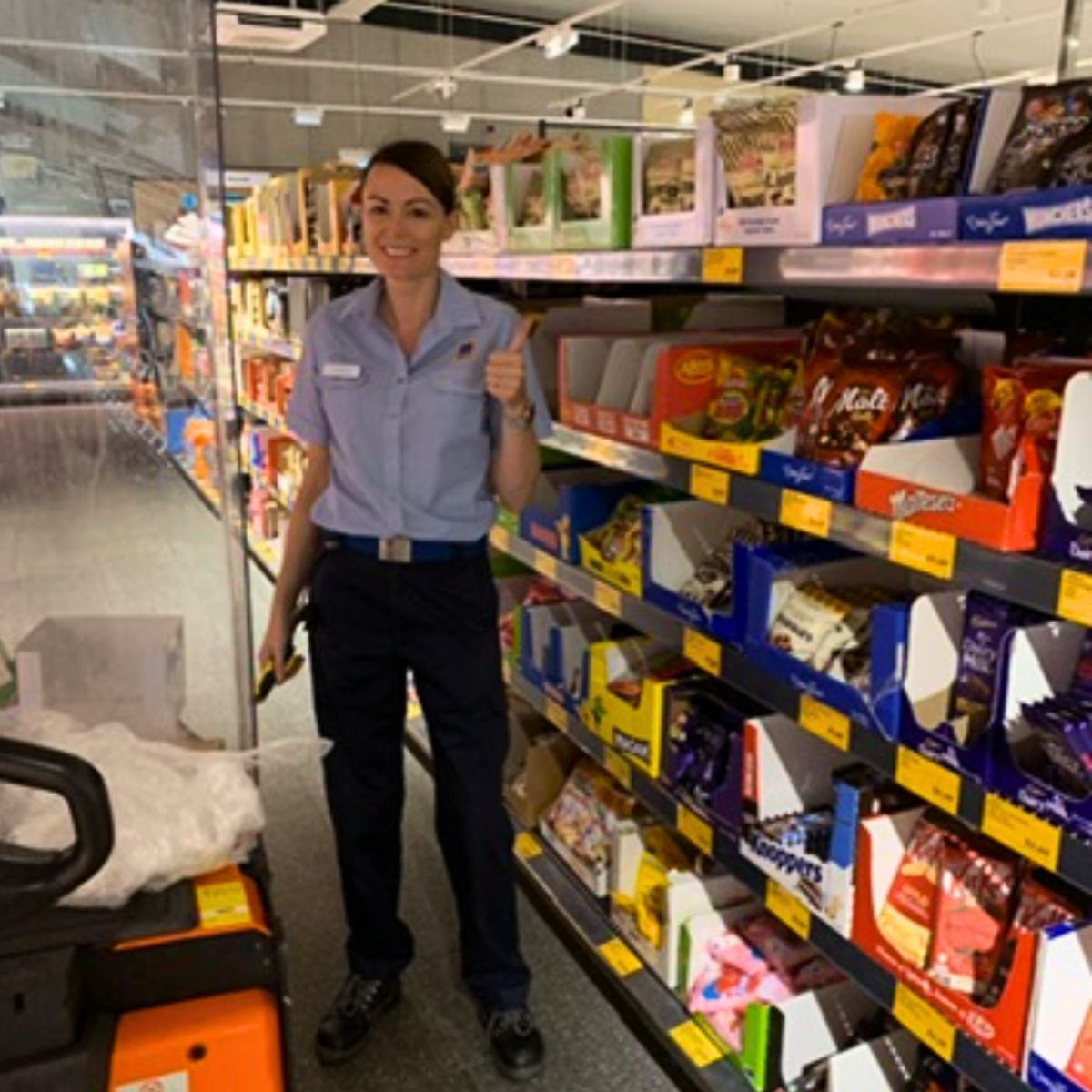
At 22 I joined one of the world's largest retailers as a Graduate Area Manager, made Director at 25, Group Director at 30, and Managing Director at 39, running a $450m business with 850 people in it.
People ask how that happened and I understand why, because laid out like that it looks a great deal like a plan. It wasn't, but there were habits and choices that kept repeating, and with enough distance behind me I can finally see them clearly enough to talk about them.
Six things that actually made the difference
1. I worked extremely hard.
I'll say this plainly, because I don't think it's optional and I also don't think it's the whole story. I put in the hours, I gave up weekends, evenings and a good deal of my social life, and in return I built a reputation for delivering, which people noticed.
It wasn't sustainable forever and it isn't the part I'd tell anyone to copy without thinking carefully about it first, but there's genuinely no substitute for being the person who does what they said they'd do.
2. I said yes before I felt ready.
Every promotion I ever took came before I believed I was qualified for it, without a single exception, and I learned to work things out on the way up rather than before I started. That isn't recklessness so much as an understanding that "ready" was never a state I was going to arrive at, because it's a story you tell yourself afterwards, once it's gone well.
3. I did the things that frightened me.
Board presentations, international meetings and multimillion-dollar supplier negotiations, all of which I felt the fear about each time and did anyway. That's where confidence actually comes from, not from knowing but from doing.
4. I focused on people, not only performance.
I cared about my teams, I listened to them, I developed them and I made a point of celebrating what they achieved, which built trust. Trust is what makes people want to work for you again, and to tell other people that they would, and careers are made in that second part far more often than anyone admits.
5. I spoke up.
I had a view and I leaned into healthy debate, and I didn't simply agree with people more senior than me even when agreeing would have been considerably easier and more comfortable. Respectful challenge got me noticed, and silence never would have.
6. I learned to lead through others.
You can't scale by doing, you can only scale by building capability in other people, and that's the point at which leadership becomes real rather than performative. It's also the single hardest transition most senior leaders ever make.
The thing I'd add now, that I couldn't see then
If I'd written that list at 39 I'd have stopped there, and it would have been a good list. It's still true. But I've spent the years since sitting with senior leaders who did all six of those things, arrived somewhere significant, and then found something waiting for them that they hadn't expected.
Everything on that list was picked up rather than chosen.
I didn't decide to work at that intensity, I absorbed it from an environment where it was completely normal, and it worked, so over time it simply became who I was. I didn't decide to be the person who challenges upward either, because I did it once, it went well, and it turned into a habit long before I'd ever examined it.
None of that's a failure, it's simply how almost everyone ends up leading. You find out what works under pressure and then you keep doing it.
The problem is what happens later, because the habits that got you promoted at 25 aren't automatically the ones that should still be running you at 45, when the job is different and so are the stakes and so, frankly, is your life. Nobody ever tells you to go back and check.
Three states, not two
Most people assume there are two kinds of leader, the ones who've been trained and the ones who haven't, but I think there are three.
The first is picked up, where you learned it by watching, absorbing and surviving, which describes most leaders most of the time. The second is trained, where you were taught a way of doing it, and I was, because ALDI takes leadership development more seriously than almost any business I've come across and I'm very much a product of that. The third is designed, where you went back over the whole thing and decided, deliberately, what you actually want to keep.
Trained is not the same as chosen, and that distinction took me years to see clearly. It's the reason I do this work now.
So what do you do with this if you're on the way up?
If you're an emerging leader reading that six-point list and wondering how to get ahead, the honest answer is that the list still holds, so do the hard thing, say yes early, speak up, and build the people around you.
But add one thing to it that I didn't have, which is that every so often you stop and ask yourself which of the things you're doing you actually chose, and which you simply absorbed because they worked once. Keep the ones that still serve you, and let go of the ones running on evidence you gathered a decade ago.
That's a five-minute question you can ask yourself twice a year, and it's worth more than most leadership programmes.
And if you're waiting to feel ready
You'll be waiting a very long time, because confidence doesn't arrive first and then grant you permission to act. You act, it goes rather better than you feared, and the confidence assembles itself afterwards out of the evidence!
That's the whole mechanism, and it has never once worked the other way round for anyone I've met.
Say yes.
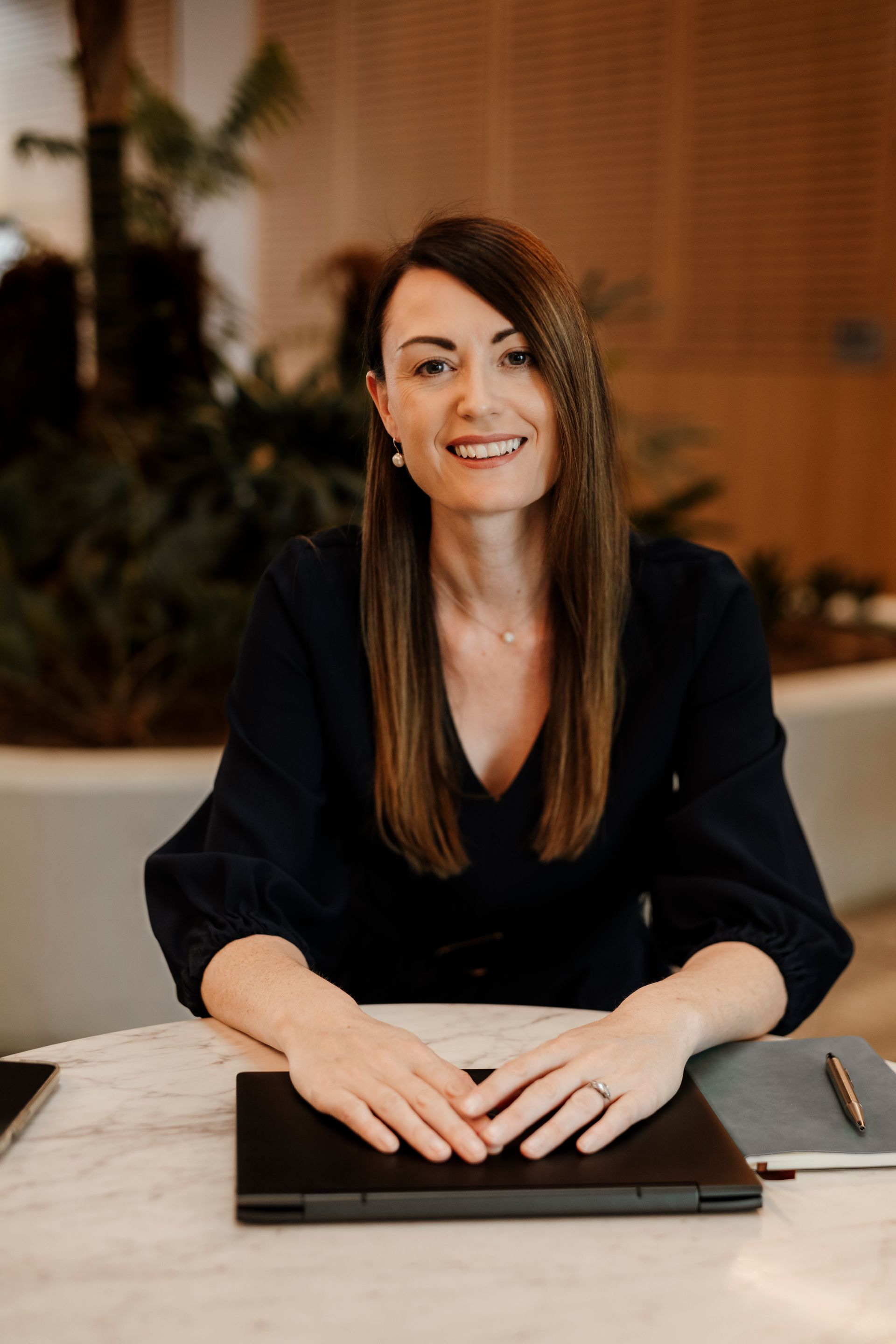
Caroline MacPhail is an executive coach and mentor. She spent 20 years at ALDI, including as Managing Director in Australia, where she led a $450m business and 850 people. She now works with senior commercial leaders on leading by design rather than by default.


I coach leaders at organisations including
Woolworths · Coles · Jaycar · Pet Circle · Lounge Lovers · Diebold Nixdorf
Better leadership starts with better thinking.
Gain instant insights into your leadership style with our complimentary Leadership Quiz.